Before design, there was looking.
I cannot remember the exact moment I decided to become a designer. What I remember is how I looked at things: closely, attentively, as if every object contained a mechanism waiting to be understood. Before projects, clients and screens, the curiosity was already there. The need to observe, take apart and rebuild. That is where this story begins.
The first grammar
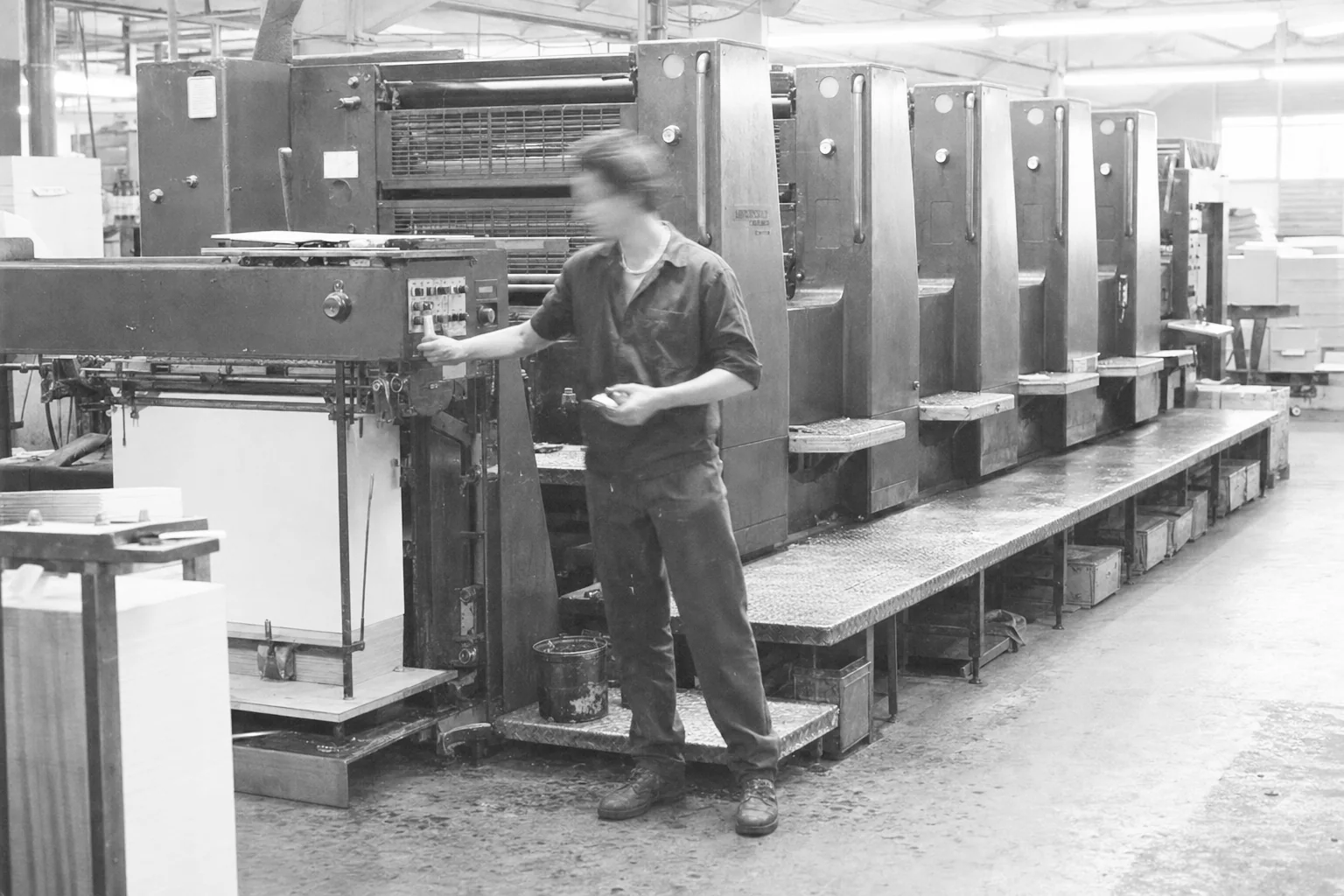
I grew up around paper, ink and fine lines, when printing still had a distinct smell and every step required time, craft and patience. Print workshops became my first visual school. They taught me that a millimetre can change the balance of a page, that empty space is part of the message and that no mark is ever truly neutral.
Long before I knew the words “design system” or “user experience,” I had learned the discipline of looking: choose, remove, align, begin again. Technology would change many times. That attention would remain.
Elsewhere
Then I left. South America, Australia, Copenhagen: very different places, encountered at different moments in my life. Every journey required me to leave habits and certainties behind. Leaving meant starting again, learning a new rhythm and listening before speaking.
I discovered that creativity does not live only in studios or software. It lives in the way a city uses its spaces, in signs, markets and conversations between people who do not share the same language. Every place changed my visual vocabulary and the way I approached problems. It taught me that the best project does not emerge when you impose an answer, but when you learn to see the question from another perspective.
When I returned to Europe, I was no longer the person who had left. I carried a combination of craft discipline and restlessness: respect for the work, but also a continuing desire to explore what I did not yet understand.
From paper to pixels
I began working digitally when the web was still a territory being invented. There were no established routes, and the boundaries between designer and developer were far more porous. To understand what I was designing, I started working directly with code.
Websites, visual identities, interfaces and applications became my new workshop. I experimented, failed and rewrote. I discovered that code was not the opposite of creativity, but another material: less visible than paper, yet every bit as concrete. Learning to design and build allowed me to stay with an idea for longer, from its first sketch to the moment someone actually uses it.
Paper did not disappear. It simply learned to move, respond and change shape.
One continuous practice
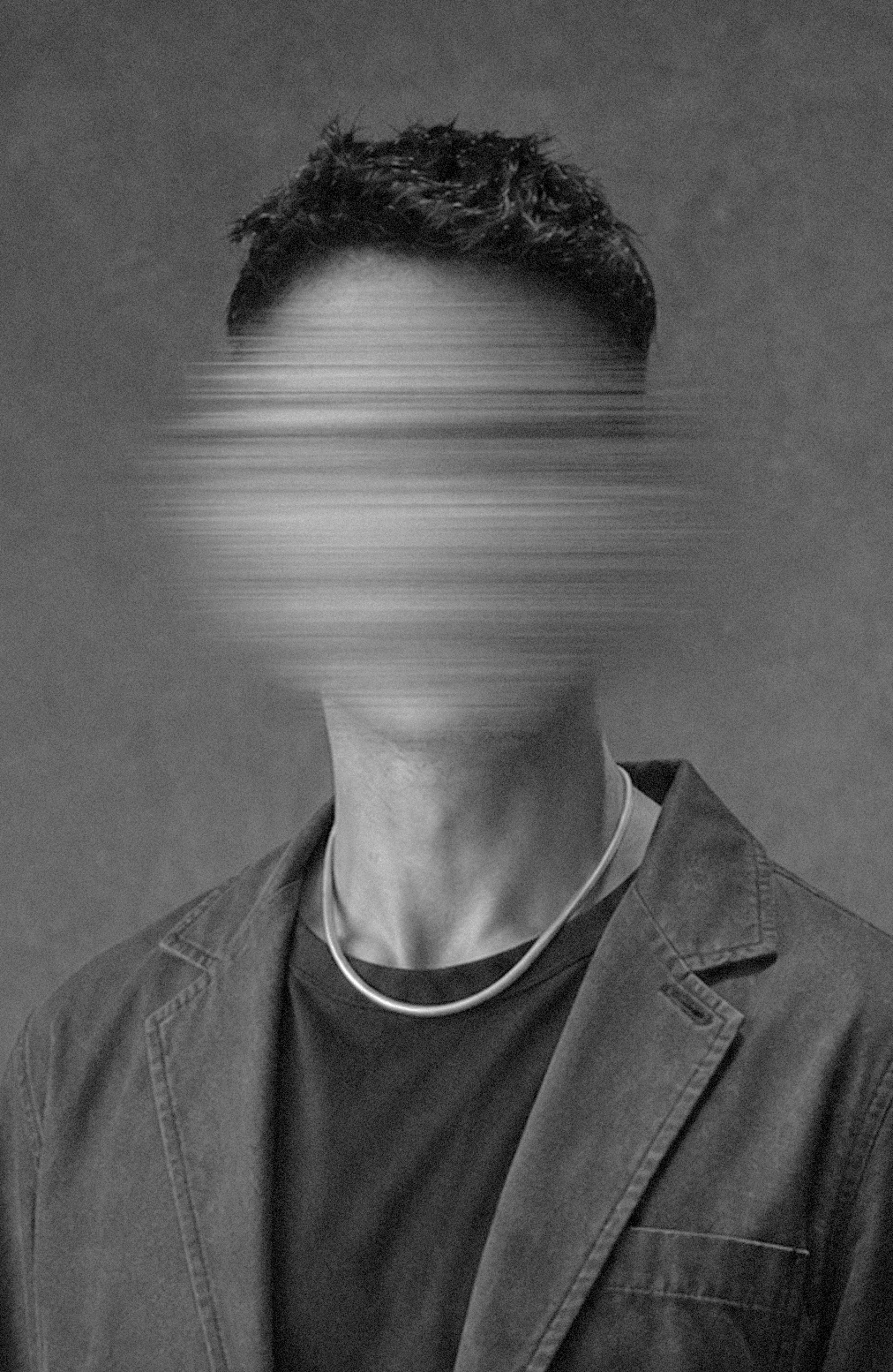
Over the years I have worked with FAO, Enel, Philip Morris, the University of Verona, Samaroli and many other organisations. Different sectors and different problems, but one constant responsibility: make complexity understandable without reducing its meaning.
My work now moves through strategy, product design, information design, visual direction and front-end. I do not think of these as separate disciplines. They are parts of one practice: understand the problem, find its structure, give it character and stay with it through production.
Alongside digital products, illustration and paper-based projects have remained, including labels for whisky. They are small stories in which words, images and material must live together within a few centimetres. They remind me that, whatever the medium, design always begins with a choice and a constraint.
With time, I have learned that designing is not simply about making something beautiful. It is about creating meaning, reducing friction and caring for the experience of whoever will encounter what we have made.
The next chapter
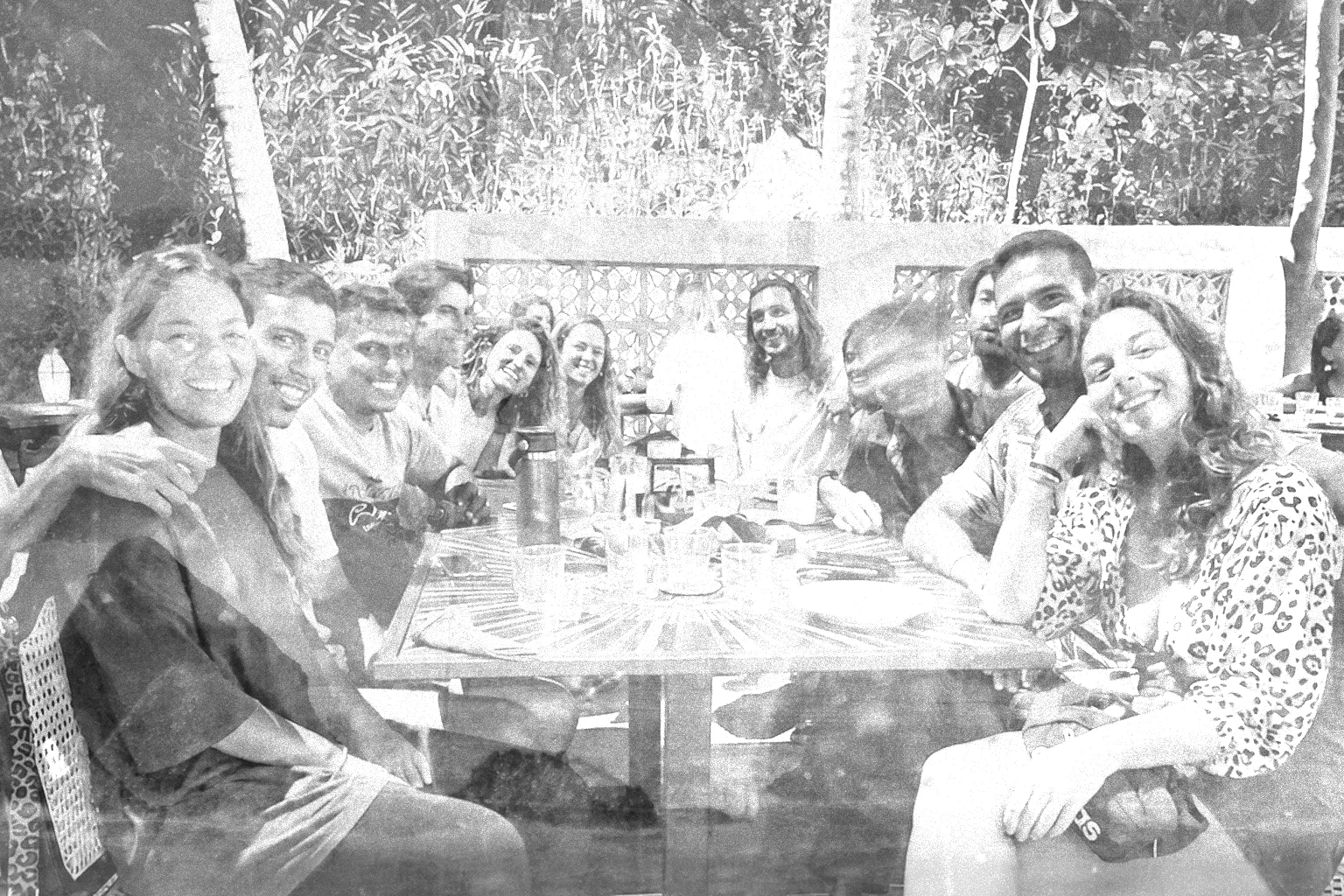
Today, the spirit of the printer, the eye of the illustrator, the precision of the developer and the sensitivity of the designer all coexist in my work. They are not competing identities. They are different tools, sharpened along the same road.
I continue to build prototypes that become experiences, interfaces that become bridges and ideas that become products. Above all, I continue to look: at people, systems, images and everything that might work better.
The journey never stopped. It simply changed form.
The future is still a blank page. That is exactly what makes it interesting.